

Is melamine flammable?
Tech Blog Is melamine flammable? “Is melamine flammable?” Many people mistakenly classify all plastic-like materials as flammable and worry about fire risks when using or

For melamine‑ware manufacturers, raw‑material selection determines finished‑product safety, surface quality, service‑life and global market access. Food grade melamine moulding compound (MMC, also known as melamine powder) is the dedicated thermosetting raw‑material for producing compliant melamine dinnerware, bowls, plates, trays and children’s tableware. Many factories risk compliance failures by confusing food‑grade MMC with cheaper urea‑formaldehyde moulding compound (UMC). This article covers composition, key performance indicators, global regulatory standards, processing parameters, procurement check‑lists and common pitfalls for food‑grade melamine moulding compound used in tableware production.
| Item | Food‑Grade MMC (A5, Melamine‑Formaldehyde) | UMC Urea‑Formaldehyde Moulding Compound |
| Main resin | 100 % melamine‑formaldehyde resin | urea‑formaldehyde resin (may contain partial melamine blend) |
| Food‑contact allowed | Yes, certified food‑grade | No, prohibited for food‑contact tableware |
| Max service temperature | Up to 120 °C | <80 °C, decomposes under hot‑acid conditions |
| Chemical resistance | Resist acid food, detergent washing | Poor acid‑resistance, easy yellowing, chalking |
| Migration risk | Meet global SML limits with proper curing | High formaldehyde‑migration risk with hot‑acid food contact |
| Typical usage | Melamine dinnerware, kids tableware, hotel crockery | Electrical parts, toilet‑seat components, non‑food decorative items |
Food grade melamine moulding compound (MMC‑A5) is the only permitted raw‑material for compliant melamine tableware manufacturing. It is a melamine‑formaldehyde‑based thermosetting composite powder with food‑approved fillers and auxiliaries, providing high gloss, shatter‑resistance and good chemical‑resistance for dinner‑ware.
Manufacturers must strictly separate food‑grade MMC from cheaper UMC urea‑formaldehyde compound. Raw‑material certificates are not enough: compression‑molding parameters (temperature, pressure, curing‑time, optional post‑bake) determine final migration safety. Always perform batch‑incoming verification and finished‑article food‑contact migration testing to satisfy FDA, EU 10/2011, GB 4806.6‑2016 and other regional market‑access requirements.
Tech Blog Is melamine flammable? “Is melamine flammable?” Many people mistakenly classify all plastic-like materials as flammable and worry about fire risks when using or

Tech Blog Why can’t melamine be microwaved? If you use melamine tableware for home dining, school cafeterias, or restaurant service, you have likely seen the
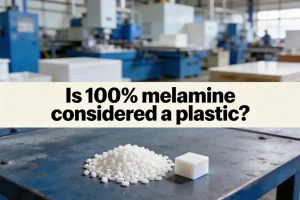
Tech Blog Is 100% Melamine Considered a Plastic? Shoppers, tableware buyers, and material engineers often ask a critical question: Is 100% melamine considered a plastic?

JINGJIANG MELAMINE POWDER
© JINJIANG MELAMINE