
Is melamine flammable?

Tech Blog Is melamine flammable? “Is melamine flammable?” Many people mistakenly classify all plastic-like materials as flammable and worry about fire risks when using or storing melamine tableware, melamine powder, and melamine decorative panels. Based on official SDS data and international chemical standards, this article clarifies the flammability of melamine monomer and cured melamine-formaldehyde products, […]
Why Can’t Melamine Be Microwaved?

Tech Blog Why can’t melamine be microwaved? If you use melamine tableware for home dining, school cafeterias, or restaurant service, you have likely seen the universal warning: do not microwave melamine. Many people wonder why durable, heat-resistant melamine dishes cannot go in microwaves, while fragile ceramic and glass are safe. The answer lies in material […]
Is 100% Melamine Considered a Plastic?
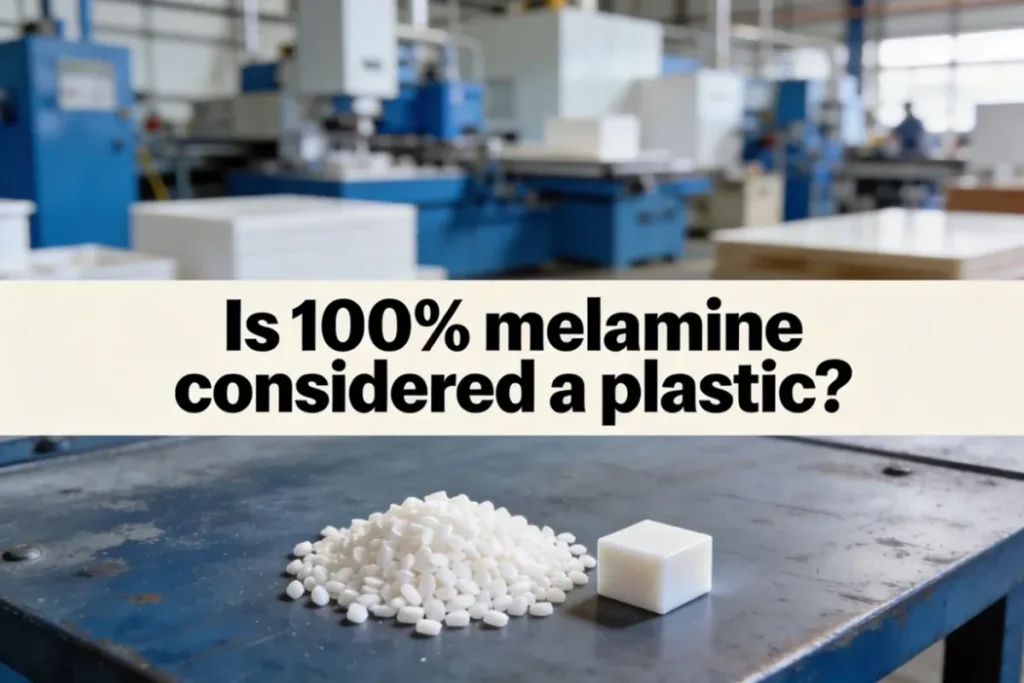
Tech Blog Is 100% Melamine Considered a Plastic? Shoppers, tableware buyers, and material engineers often ask a critical question: Is 100% melamine considered a plastic? The confusion comes from two different definitions: pure melamine as a chemical monomer and finished 100% melamine-formaldehyde molded products. The short answer is clear: Pure melamine powder is not plastic, […]
What type of chemical is melamine?
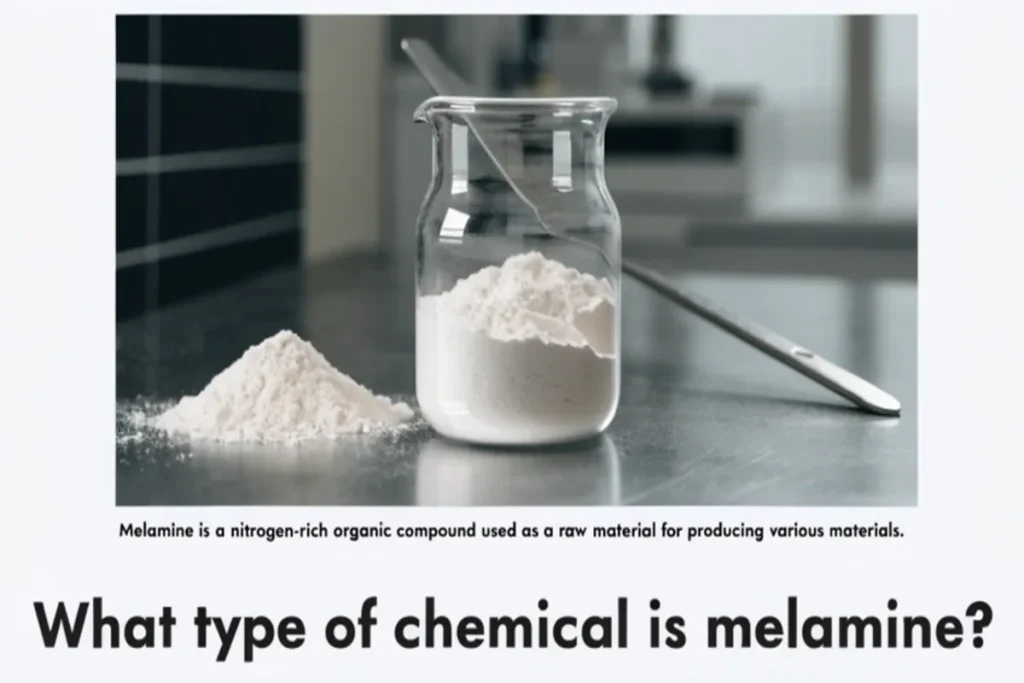
Tech Blog What type of chemical is melamine? What type of chemical is melamine? Often confused with polymers, plastics, or generic additives, melamine has a precise scientific classification with unique molecular traits that define its industrial behavior, safety profile, and end uses. This article clearly defines melamine’s chemical category, core properties, industrial roles, and common […]
Is Melamine-Formaldehyde Brittle?

Tech Blog Is Melamine-Formaldehyde Brittle? Melamine-formaldehyde resin is a widely used thermosetting polymer for tableware, decorative laminates, electrical components, and industrial coatings. Although it is known for its high hardness, heat resistance, and chemical stability, unmodified MF resin has inherent mechanical limitations. So many people often ask, “Is Melamine-Formaldehyde Brittle?” This article clarifies the brittleness […]
Is melamine synthetic?
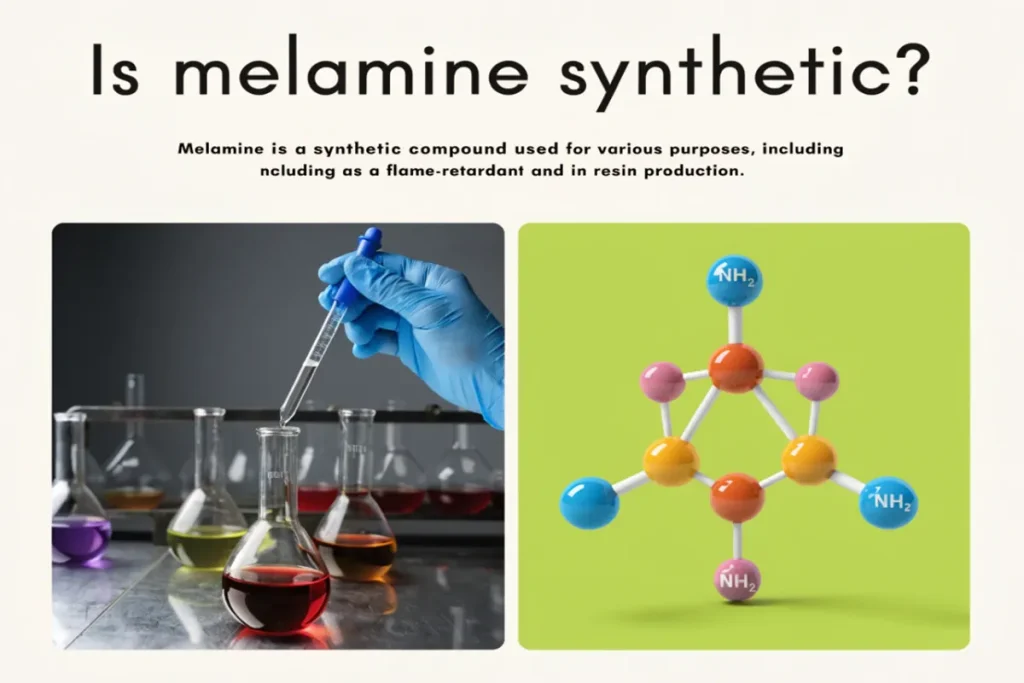
Tech Blog Is melamine synthetic? Is melamine synthetic? None of these substances occur freely in nature. Every commercial form of melamine‑based material is artificial via industrial chemical processes. This article explains whether melamine is synthetic, its manufacturing origin, key distinctions between related materials, and clears‑up popular misconceptions. melamine is 100 % synthetic Melamine powder (CAS 108‑78‑1, formula […]
Is melamine a compound?
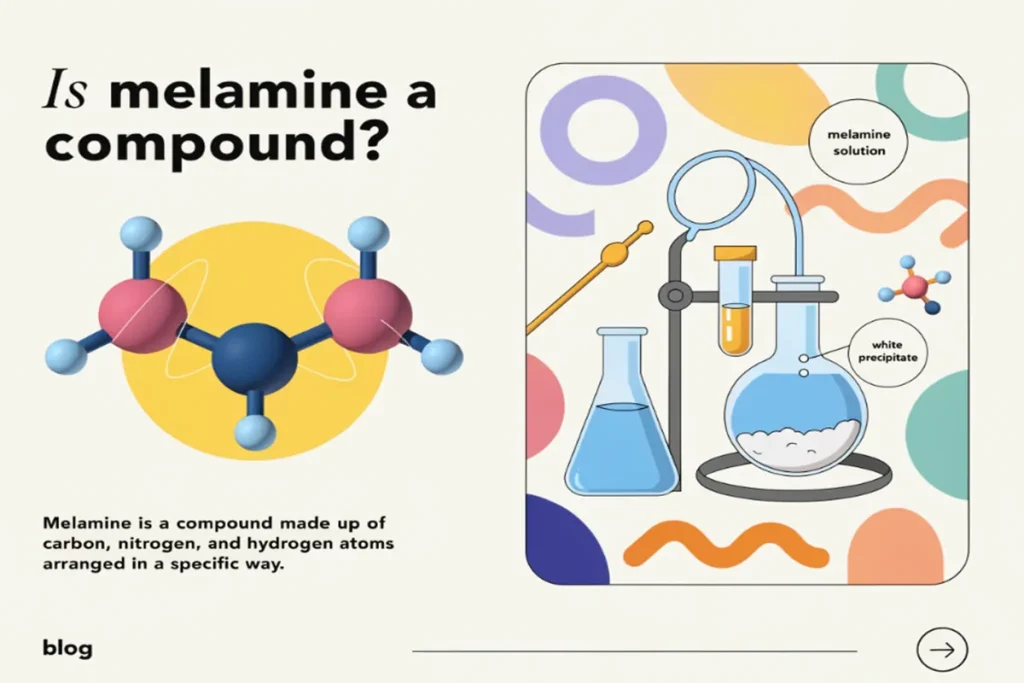
Tech Blog Is melamine a compound? Is melamine a compound? The word “melamine” can refer to pure melamine powder, melamine‑formaldehyde resin, or finished melamine‑ware dinnerware. This ambiguity creates widespread misunderstanding. This article clarifies the chemical classification of melamine monomer, distinguishes it from melamine‑formaldehyde resin and melamine moulding compound, explains core properties, and clears up frequent […]
Which Is Better-Ceramic or Melamine?

Tech Blog Which Is Better-Ceramic or Melamine? Shopping for home, daycare, school cafeteria, restaurant or outdoor‑event tableware? Many buyers ask: Which is better, ceramic or melamine? Both are popular reusable dinnerware materials, but they differ in shatter resistance, heat tolerance, food-safety rules, aesthetics, lifespan and total cost of ownership. There is no universal “better” option […]
Which compound is used for the preparation of melamine?
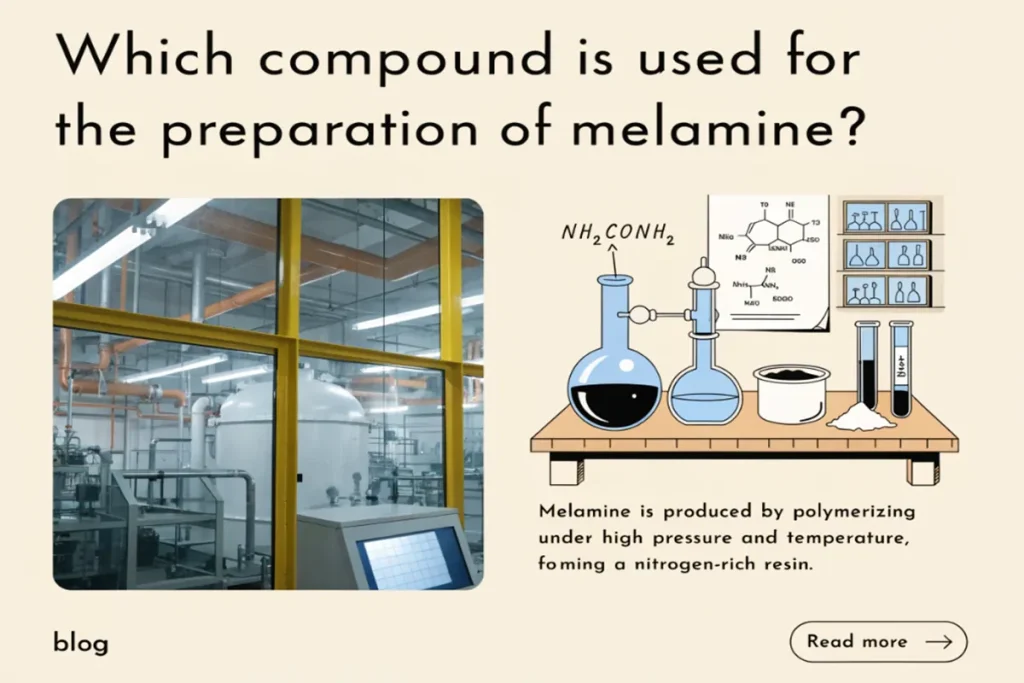
Tech Blog Which Compound Is Used for the Preparation of Melamine? Melamine powder (chemical formula C₃H₆N₆, IUPAC: 1,3,5‑triazine‑2,4,6‑triamine) is a high‑nitrogen white crystalline intermediate, the building‑block for melamine‑formaldehyde (MF) resin, melamine moulding compound, laminates and melamine‑ware. So which compound is used for the preparation of melamine? Main Starting Compound for Melamine Manufacturing Urea (carbamide, chemical […]
Food Grade Melamine Moulding Compound for Tableware Manufacturing
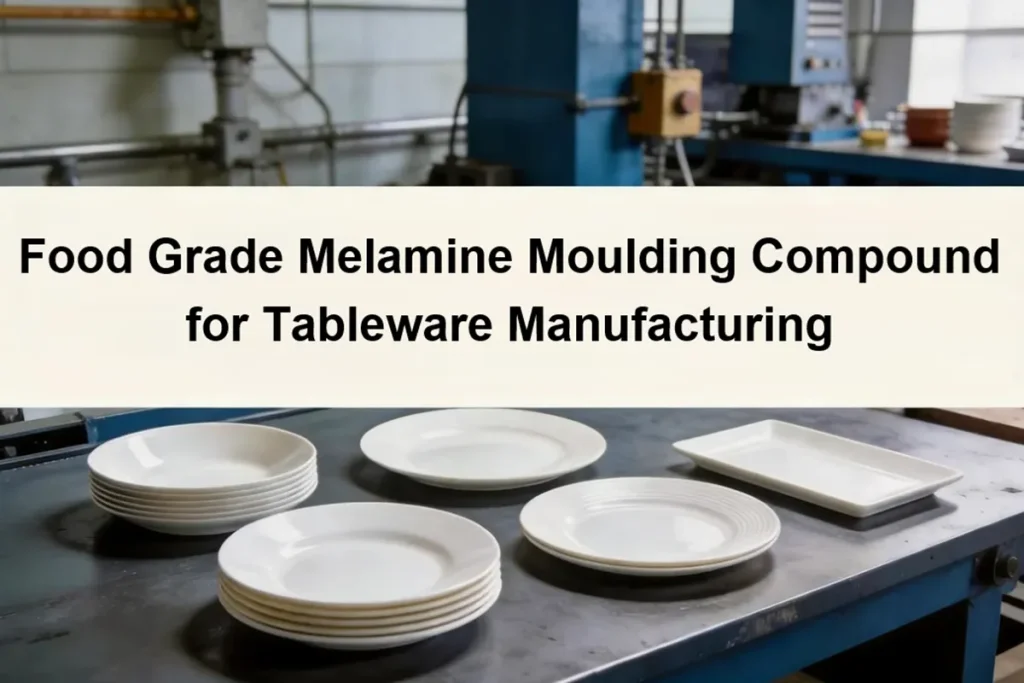
Tech Blog Food Grade Melamine Moulding Compound for Tableware Manufacturing For melamine‑ware manufacturers, raw‑material selection determines finished‑product safety, surface quality, service‑life and global market access. Food grade melamine moulding compound (MMC, also known as melamine powder) is the dedicated thermosetting raw‑material for producing compliant melamine dinnerware, bowls, plates, trays and children’s tableware. Many factories risk […]