What type of chemical is melamine?
Tech Blog What type of chemical is melamine? What type of chemical is melamine? Often confused with polymers, plastics, or generic additives, melamine has a

Is melamine synthetic? None of these substances occur freely in nature. Every commercial form of melamine‑based material is artificial via industrial chemical processes. This article explains whether melamine is synthetic, its manufacturing origin, key distinctions between related materials, and clears‑up popular misconceptions.
Melamine powder (CAS 108‑78‑1, formula C₃H₆N₆) is a fully synthetic organic compound. It does not exist naturally in the environment. Even though urea can be derived from natural biological cycles, industrial‑grade melamine is created through high‑temperature chemical conversion inside manufacturing plants, not extracted from plants, animals, or minerals. All downstream products, including MF resin, melamine moulding compound, and melamine‑ware, are also synthetic artificial materials.
Important distinction: “Synthetic” does not automatically mean toxic. Food‑grade synthetic melamine‑ware can be safe when manufactured and cured according to global food‑contact regulatory standards.
| Material | Synthetic status | Brief description |
| Melamine monomer powder | Fully synthetic compound | Man‑made from urea; no natural occurrence |
| Melamine‑formaldehyde (MF) resin | Fully synthetic condensation polymer | Synthetic reaction product of melamine + formaldehyde |
| Melamine moulding compound (MMC) | Synthetic blended mixture | MF resin mixed with cellulose, pigments, curing additives |
| Finished melamine‑ware tableware | Synthetic thermoset composite | Compression‑molded and thermally‑cured MMC powder |
To answer the core question: Is melamine synthetic? Pure melamine monomer is a fully synthetic industrial compound with no known natural occurrence, produced by high‑temperature conversion of urea inside chemical plants. All its downstream derivatives, including melamine‑formaldehyde resin, melamine moulding compound, and finished melamine‑ware, are also synthetic artificial materials.
Note that “synthetic” only defines material origin; it is not a safety rating. Qualified food‑grade synthetic melamine‑ware can be safe for tableware applications if it uses the correct MMC‑A5 raw material and is fully cured according to regulatory requirements. Understanding that melamine is synthetic helps buyers avoid marketing misconceptions about melamine-based consumer goods.

Tech Blog What type of chemical is melamine? What type of chemical is melamine? Often confused with polymers, plastics, or generic additives, melamine has a
Tech Blog Is Melamine-Formaldehyde Brittle? Melamine-formaldehyde resin is a widely used thermosetting polymer for tableware, decorative laminates, electrical components, and industrial coatings. Although it is
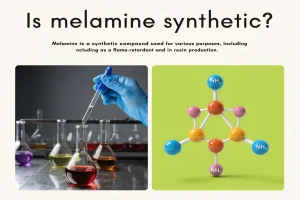
Tech Blog Is melamine synthetic? Is melamine synthetic? None of these substances occur freely in nature. Every commercial form of melamine‑based material is artificial via

JINGJIANG MELAMINE POWDER
© JINJIANG MELAMINE