jinjiang melamine

Tech Blog

Which Is Better-Ceramic or Melamine?

Shopping for home, daycare, school cafeteria, restaurant or outdoor‑event tableware? Many buyers ask: Which is better, ceramic or melamine? Both are popular reusable dinnerware materials, but they differ in shatter resistance, heat tolerance, food-safety rules, aesthetics, lifespan and total cost of ownership. There is no universal “better” option — the right choice depends entirely on your actual usage scenarios. This article compares ceramic and melamine side by side, breaks down pros & cons, safety notes and ideal use cases to help you make confident purchasing decisions.

What Are Ceramic & Melamine Tableware

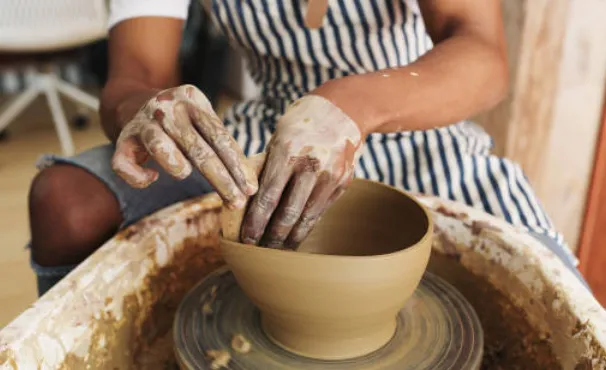
  • Ceramic tableware: Made from natural clay fired in high‑temperature kilns; includes stoneware and porcelain variants. Glazed ceramic is a non‑porous, heat‑stable inorganic material widely used for home kitchens and fine‑dining restaurants.
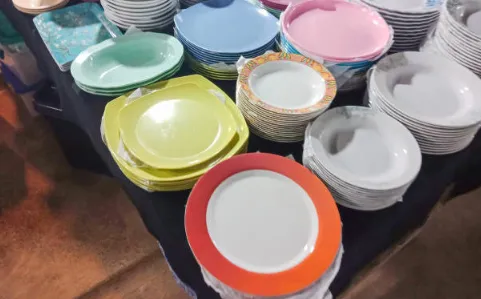
  • Melamine tableware (melamine‑ware): Compression‑molded from food‑grade melamine‑formaldehyde moulding compound (MMC). It is a cross‑linked thermosetting polymer plastic, well‑known for being lightweight and shatter‑resistant. Important note: Only A5 food‑grade MMC is allowed for food‑contact; cheap urea‑formaldehyde UMC powder is prohibited for dinner‑ware production.

Ceramic vs Melamine Comparison Table

Evaluation ItemCeramic (Glazed Porcelain / Stoneware)Food‑Grade Melamine (A5 MMC)
Shatter‑resistanceBrittle; chips or breaks upon heavy impact, creates sharp fragmentsExcellent, nearly shatter‑proof; hard to crack or break when dropped
Microwave / Oven safeYes (if labelled microwave‑safe, no metallic glaze)
No, strictly forbidden by FDA & food‑safety authorities
Max safe service temperatureHigh, withstands boiling, baking heat≤ 120 °C; avoid sustained exposure above 70 °C for hot‑acid food
Dishwasher suitabilityExcellent, long‑term repeated washingDishwasher‑usable; avoid high‑temp heavy‑duty cycles; surface scratches accumulate over time
Weight & handlingHeavier, solid feelLight‑weight, easy stacking, low handling fatigue
Aesthetic qualityPremium, glossy, high‑end dining appearancePlastic‑like look; wide printed pattern options, can appear low‑grade in fine‑dining settings
Typical service lifespanMany years, decades with careful use; failure mainly comes from chipping2‑3 years under heavy commercial use; replace once scratched, stained or cracked
Up‑front costHigher per‑unit priceLow initial purchase cost
Long‑term total costLow replacement frequency; good long‑term valueFrequent replacement needed; cumulative cost may add up
Food‑safety risk focusWatch for lead‑cadmium leaching from poor‑quality glazesRisk of melamine / formaldehyde migration under excessive heat & acidic‑food conditions; reject UMC‑based counterfeit goods

Core Advantages & Disadvantages of Ceramic Tableware

Ceramic

Ceramic Pros

  • Superior thermal stability: Safe for microwave, oven, boiling‑hot soup, baking; no chemical‑migration risk under high‑temperature food‑contact.
  • Long service life: Quality glazed ceramic resists scratching and staining and can last for many years without material degradation.
  • Premium visual experience: Glossy ceramic‑glaze suits formal restaurants, family dinners and holiday table settings.
  • Hygienic non‑porous surface: Properly glazed ceramic hardly absorbs food residues, making it easy to clean deeply.

Ceramic Cons

  • Easy to chip & break: Drops produce sharp broken shards, posing an injury hazard for kids, schools and poolside locations.
  • Heavier weight: In high‑volume canteen or catering scenarios, heavy tableware increases staff handling burden.
  • Higher initial procurement expense: Quality porcelain or stoneware costs more per piece upfront.

ore Advantages & Disadvantages of Melamine Tableware

Melamine

Melamine Pros

  • Nearly unbreakable: Outstanding drop‑impact resistance, eliminates sharp‑fragment injury risk, ideal for children, nursery‑schools, outdoor venues, fast‑food canteens.
  • Light‑weight & stackable: Easy for transporting large‑quantity tableware in the catering business.
  • Affordable initial investment: Low unit price, rich colourful printed‑pattern choices.
  • Good for room‑temperature or warm, non-acidic food service under regulated usage limits.

Melamine Cons

  • Absolutely not microwave‑safe: Microwave heating triggers polymer‑network breakdown and raises monomer‑migration risk, warned by FDA and global food‑safety agencies.
  • Surface gradually degrades: Repeated dishwasher washing and friction create micro‑scratches. Scratches trap food stains and may accelerate chemical leaching under hot-acid conditions; replace once heavily worn.
  • Usage restrictions: Not suitable for boiling‑hot soup, high‑temperature oily food, or long-term storage of acidic food like tomato‑sauce and/or vinegar‑based dishes.
  • Counterfeit risk: Inexpensive urea‑formaldehyde (UMC) products visually mimic melamine‑ware but have poor heat resistance and a high migration hazard; always check A5 food‑grade certification before buying.

Which One Should You Choose by Scenario?

✅ Choose Ceramic if:

  • You need to microwave, reheat or bake food directly on tableware.
  • Home daily dining, fine‑dining restaurants, hotel formal banquets, where appearance and heat‑safety are top priorities.
  • You want durable tableware that needs minimal replacement.
  • You regularly serve boiling‑hot soup and oily or acidic hot food.

✅ Choose Melamine (food‑grade A5 MMC) if:

  • Used for toddlers, preschool, school canteen, poolside, camping, outdoor banquets, where break‑and‑injury risk must be minimised.
  • Serve room‑temperature or moderately‑warm non‑acidic food; no microwave‑re‑heating on‑plate.
  • Large‑volume catering operations pursuing lightweight handling and low upfront‑cost.
Practical tip: Many families and businesses mix‑use both: ceramic for daily hot‑food meals, food‑grade melamine for kids and outdoor events.

Important Safety Best‑Practice Tips

For Ceramic:

  • Buy glazed‑ware from trusted suppliers; avoid cheap decorative ceramic with potential heavy-metal leaching risk.
  • Confirm the “microwave‑safe” label; ceramic with a metallic rim / metallic paint cannot go in the microwave.
  • Discard pieces with deep chips and cracks to prevent bacterial‑harbouring.

For Food‑Grade Melamine‑ware:

  • Never use a microwave, oven, or steam‑sterilizer for melamine dishes.
  • Avoid long‑time holding boiling‑hot, oily, strongly‑acidic food.
  • Do not clean with steel‑wool scrubbers, which create surface micro‑scratches; use a soft sponge plus neutral detergent.
  • Retire melamine‑ware when visible scratches, discoloration or micro‑cracks appear; do not continue to use worn‑out items.
  • Verify A5 food‑grade MMC certification; reject unknown cheap imitations made from urea‑formaldehyde compound.

FAQs

Q1: Which is better-ceramic or melamine?

There is no absolute better material. Ceramic excels at heat safety, microwave compatibility and long-term durability for daily hot-food use. Food‑grade melamine stands out for shatter‑proof, lightweight performance for children, canteen and outdoor scenarios, but must follow strict temperature‑usage rules and cannot be microwaved.

Q2: Can melamine go in microwave?

No. Global food‑safety authorities, including the FDA, prohibit microwaving melamine‑ware. High microwave‑induced heat may break polymer‑bonds and trigger melamine and formaldehyde migration into food.

Q3: Is melamine safe for hot soup?

Food‑grade melamine is not recommended for sustained contact with boiling‑hot soup. Migration risk rises as temperature increases above 70 °C, especially with acidic ingredients. It works best for warm or room‑temperature food.

Q4: Does ceramic break easily?

Yes. Ceramic is brittle. Dropping may produce sharp broken shards, which is its biggest disadvantage for kid‑related and public‑venue use. Good-quality commercial ceramic resists chipping better than low-cost, household-grade ceramic.

Q5: How long does melamine tableware last?

Under heavy commercial dishwasher‑usage, melamine‑ware generally lasts 2‑3 years. Once scratches, stains or micro‑cracks appear, replace it immediately, regardless of calendar age.

conclusion

To answer the question, which is better-ceramic or melamine? The final decision hinges on your real‑world operating conditions. Ceramic is the preferred pick for home dining, fine‑dining restaurants, and scenarios requiring microwave heating or serving boiling‑hot/acidic food, delivering excellent heat stability and long service life. Food‑grade A5 melamine‑ware shines where shatter‑resistance and lightweight handling are critical: childcare centres, school canteens, camping and outdoor catering.

Melamine‑ware comes with hard‑set usage restrictions: no microwave heating, avoid extreme heat‑acid exposure, and retire scratched products promptly. Never buy uncertified cheap melamine imitations made from urea‑formaldehyde compound. Many practical scenarios can benefit from deploying both materials to match different dining needs.

Related Blogs

Jinjiang chemical

Contact Us to Start Your Business