
Is melamine a natural substance?
Tech Blog Is Melamine a Natural Substance? Is melamine a natural substance? The straightforward answer: Melamine is a fully synthetic industrial chemical. It does not

Is melamine a natural substance? The straightforward answer: Melamine is a fully synthetic industrial chemical. It does not occur naturally. Although its starting raw material (Urea) can come from natural sources, factories must make melamine through high-temperature chemical reactions. Melamine tableware is also an artificial thermoset resin product.
This article explains melamine’s origin, how it is produced, clears up common marketing misconceptions, and distinguishes raw monomer from finished melamine dinnerware.
Melamine powder (chemical formula C₃H₆N₆, CAS 108-78-1) is an organic triazine compound that German chemist Justus von Liebig first synthesised in 1834. No natural mineral, plant or animal produces melamine on its own. Any melamine detected in soil or water comes from human industrial activity, not natural biological creation.
Modern commercial melamine is mass-produced from Urea. Urea can be bio-sourced or made synthetically, but Urea alone is not melamine. Manufacturers heat Urea under high pressure and with catalysts to trigger a chemical transformation, producing pure melamine crystal powder. This artificial industrial process never happens spontaneously in the natural world.
To make melamine tableware, manufacturers further react melamine powder with formaldehyde to form melamine-formaldehyde (MF) resin. After moulding and curing under heat and pressure, it becomes the hard, shatter-resistant material for plates, bowls and trays. This cross-linked polymer is also 100% artificial.
You may see marketing phrases like bamboo melamine, plant-based melamine or eco melamine. It is critical to understand what these labels actually mean:
Many buyers mistakenly think bamboo melamine is an all-natural biodegradable material. That is not true. The thermoset melamine resin binder will not break down easily in natural environments.
| Item | Natural or Synthetic | Notes |
|---|---|---|
| Pure melamine monomer powder | Synthetic | No natural occurrence, factory-made from urea |
| Melamine-formaldehyde resin (tableware material) | Synthetic | Polymerised from melamine and formaldehyde |
| Bamboo / wheat straw filled melamine ware | Synthetic composite | Natural fibres as fillers; resin binder remains synthetic |
| Urea (raw feedstock) | Can be natural or synthetic | Urea exists in animal urine but must undergo industrial reaction to become melamine |
Understanding that melamine is synthetic helps set realistic expectations for safety and use:
A: According to IARC and NCBI data, melamine is not known to occur naturally. Trace amounts found in the environment come from industrial releases or the breakdown of other industrial triazine chemicals, not from natural production.
A: Urea is present in animal waste, but industrial Urea for melamine production is normally synthetic. Even if natural Urea is used as a starting material, high-temperature chemical processing is required to convert Urea into melamine, and the final melamine molecule does not appear naturally.
A: No. Bamboo melamine is a composite. The bamboo fibre filler is natural, but the binding melamine-formaldehyde resin is fully synthetic. It is not an all-natural material.
A: Certified food-grade melamine is safe for serving cold and warm food when used properly. Avoid microwaving, prolonged contact with hot acidic foods, and heavily scratched items.
Melamine power and melamine-formaldehyde resin are both synthetic substances. Melamine cannot be harvested from plants, minerals, or animals and is produced only through industrial chemical reactions.
Some melamine products mix in natural fibres such as bamboo or wheat straw as fillers. However, these fillers are additives; they do not make melamine itself natural.
When shopping for melamine dinnerware, ignore misleading “100% natural” marketing claims. Instead, focus on food-contact certifications and follow recommended usage rules to enjoy the benefits of shatter-resistant melamine safely.

Tech Blog Is Melamine a Natural Substance? Is melamine a natural substance? The straightforward answer: Melamine is a fully synthetic industrial chemical. It does not

Tech Blog Is there lead in melamine? Is there lead in melamine? The short answer: Pure melamine-formaldehyde base resin contains no lead. Lead may appear
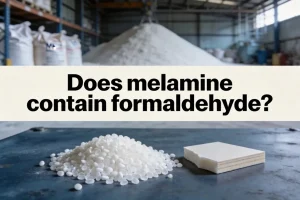
Tech Blog Does melamine contain formaldehyde? “Does melamine contain formaldehyde?” This is one of the most common misconceptions about melamine kitchenware. The simple answer: Pure

JINGJIANG MELAMINE POWDER
© JINJIANG MELAMINE