Synthesis Of High Heat Resistant Melamine Polyphosphate
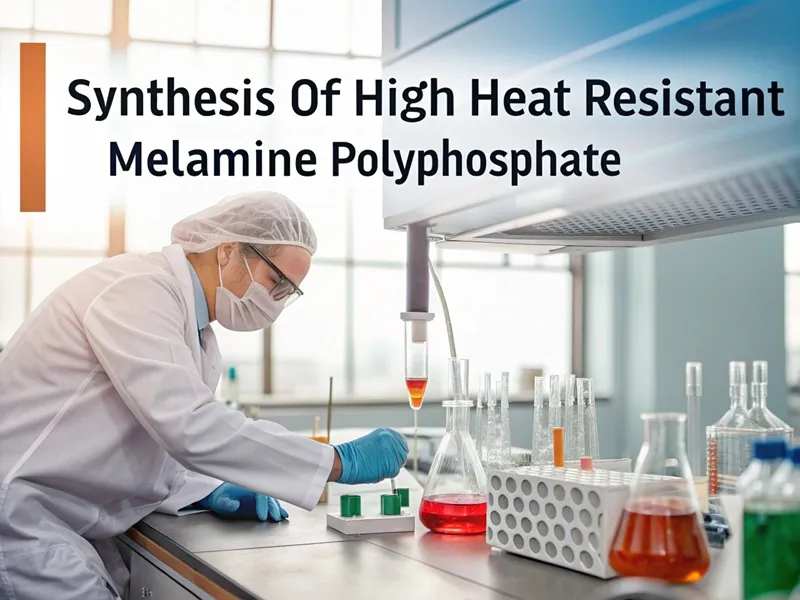
Tech Blog Synthesis of High Heat resistant Melamine Polyphosphate Melamine Polyphosphate (MPP) is a leading halogen-free nitrogen-phosphorus flame retardant, prized for its low toxicity, moderate addition levels, and dual-phase flame-retardant mechanism (condensed and gas phases). It is widely used in engineering plastics, rubber, and epoxy resins—especially in high-temperature-processed materials such as glass fiber-reinforced nylon 66 […]
Application Of Blowing Liquid Level Gauge In Melamine Industry
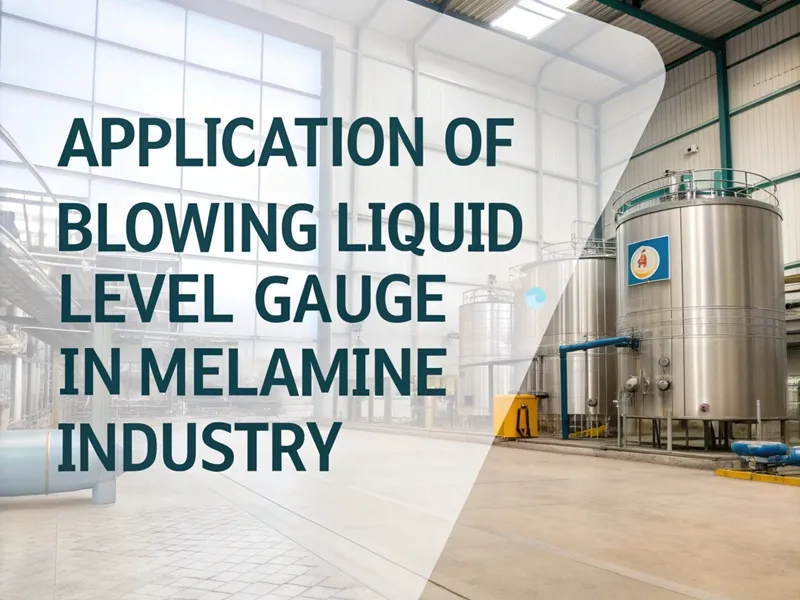
Tech Blog Application of Blowing Liquid Level Gauge in Melamine Industry In the production process of melamine powder by the low-pressure method, the system pressure and the liquid level of the melting kettle are closely related. Due to the physical and chemical properties of solid urea, ammonia gas is released during melting, and it is […]
Melamine in food properties, hazards, and commonly used detection methods
Tech Blog melamine in food properties, hazards, and commonly used detection methods Melamine powder is a synthetic organic nitrogen-containing heterocyclic compound widely used in industrial applications, including coatings, plastics, and textiles. However, its illegal addition to food (known as “protein powder” due to falsely inflated protein content) has caused serious safety incidents, including pet poisoning […]
Urea Solubility In Acetone
Tech Blog urea solubility in acetone Whether you are a student in a chemistry laboratory, a researcher developing new formulas, or an industrial chemist optimizing processes, understanding the solubility of compounds is crucial. A common issue is the urea solubility in acetone. Can urea solubility in acetone? If possible, what is the amount dissolved? What […]
Which Is Better Urea Or Ammonium Sulphate?
Tech Blog which is better urea or ammonium sulphate When choosing nitrogen fertilizers or industrial nitrogen sources, two popular options stand out: urea and ammonium sulphate. Both deliver essential nitrogen to support plant growth or fuel chemical processes, but they differ sharply in nutrient composition, performance, cost, and environmental impact. The question “which is better […]
What is prilled urea used for?
Tech Blog what is prilled urea used for Prilled Urea is a widely used urea fertilizer and industrial chemical characterized by small spherical particles (diameter 0.85-3.35mm). It is produced through a granulation process: molten urea is sprayed into the granulation tower to cool and form solid pellets, which offer unique advantages such as uniform particle […]
AdBlue Urea Specifications

Tech Blog AdBlue urea specifications AdBlue (Diesel Exhaust Fluid, DEF) is a key fluid in the Selective Catalytic Reduction (SCR) system of diesel vehicles, which reduces exhaust emissions by converting nitrogen oxides (NOx) into harmless nitrogen and water. Its performance depends directly on strict adherence to global specifications; unqualified AdBlue may damage SCR catalysts, cause […]
Total Recycle Process Of Urea Production
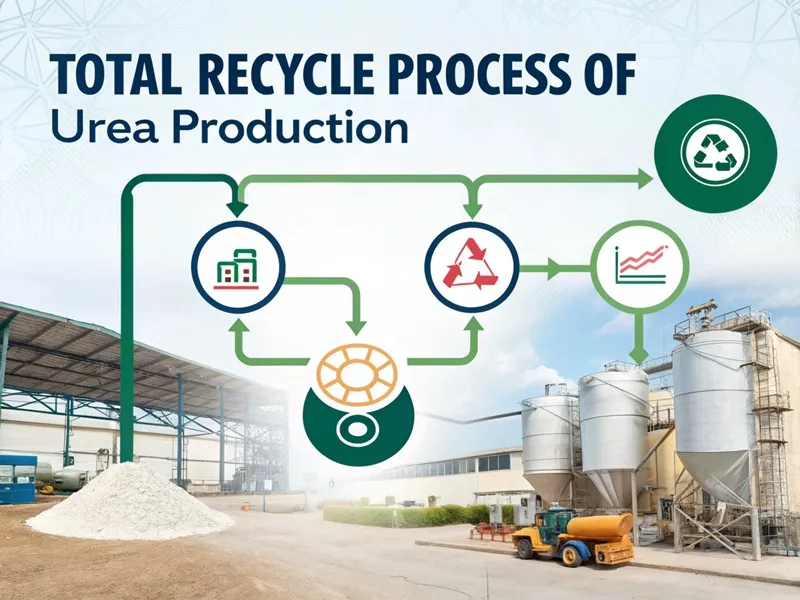
Tech Blog Total recycle process of urea production Total recycle process of urea production has solved the core pain points of severe resource waste and significant environmental pollution in traditional processes. This process achieves nearly 100% material utilization by fully recovering unreacted ammonia (NH₃) and carbon dioxide (CO₂) from the urea synthesis process, reducing energy […]
Melamine Used For Cement-Based Artificial Granite
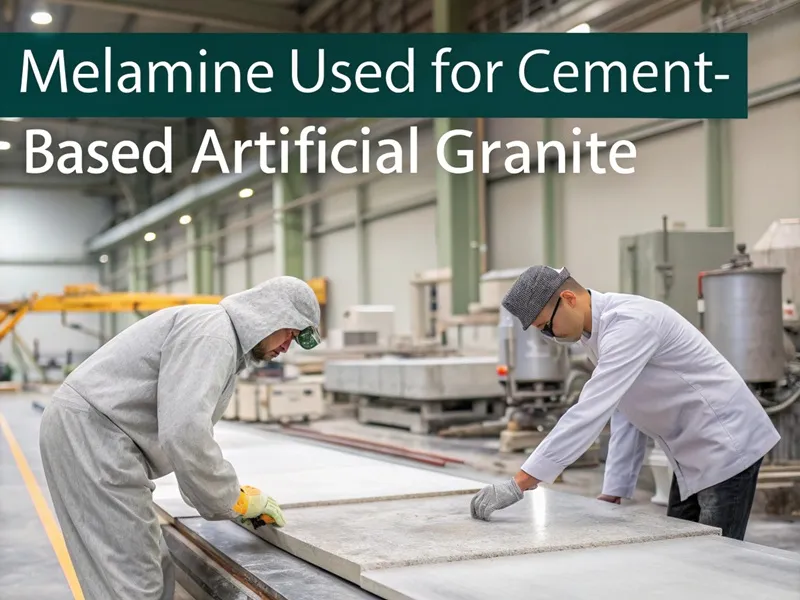
Tech Blog Melamine used for Cement-Based Artificial Granite Cement-based artificial granite is widely used in interior decoration, flooring, and wall cladding for its cost-effectiveness and natural stone-like appearance. However, traditional production methods face critical challenges: poor aggregate dispersion, high void ratio, color mixing during molding, and warping after hardening—all of which reduce product quality and […]
Melamine Molten Salt Deterioration
Tech Blog Melamine Molten Salt Deterioration In high-pressure melamine production, molten salt serves as a critical heat-transfer medium, delivering the necessary heat for the endothermic reaction of urea converting to melamine (380℃, 8.0 MPa). However, long-term operation leads to gradual deterioration of the molten salt, characterized by increased melting point, excessive alkalinity, and component imbalance, […]